Nestled between its more famous neighbors Thailand, Vietnam, and Cambodia, Laos remains Southeast Asia’s hidden gem in 2025. This landlocked country offers travelers a rare glimpse into authentic Southeast Asian culture, untouched landscapes, and a pace of life that feels refreshingly disconnected from the modern world’s hustle. As neighboring destinations struggle with overtourism, Laos continues to preserve its tranquil atmosphere, making it the perfect destination for travelers seeking genuine experiences.
In this comprehensive Laos travel guide 2025, we’ll explore everything you need to know about this enchanting country—from the UNESCO-protected temples of Luang Prabang to the adventure hub of Vang Vieng, from practical travel tips to immersive cultural experiences. Whether you’re planning a two-week adventure or considering Laos as part of a broader Southeast Asia journey, this guide will help you create an unforgettable experience in one of the region’s most captivating destinations.
Why Visit Laos in 2025

The Last Bastion of Slow Travel
While much of Southeast Asia races toward modernization, Laos embraces a different philosophy. Here, the concept of “bor pen nyang” (no worries) permeates daily life. In 2025, Laos remains committed to sustainable tourism development that preserves its cultural integrity and natural beauty. The country’s unhurried pace allows travelers to truly disconnect and immerse themselves in experiences rather than rushing between attractions.
Unbeatable Value for Money
Laos continues to be one of Southeast Asia’s most affordable destinations in 2025. With comfortable guesthouses starting around $15-20 per night, delicious local meals for $3-5, and transportation costs that won’t break the bank, your travel budget stretches significantly further here than in neighboring Thailand or Vietnam. This affordability allows travelers to extend their stays, upgrade their experiences, or simply save money while enjoying authentic adventures.
| Expense Category | Laos (USD) | Thailand (USD) | Vietnam (USD) |
| Budget Accommodation | $8-15 | $15-25 | $10-20 |
| Mid-range Hotel | $30-50 | $50-80 | $40-70 |
| Local Meal | $2-5 | $3-8 | $2-6 |
| Domestic Flight | $50-100 | $60-120 | $50-110 |
| Day Tour | $20-40 | $30-60 | $25-50 |
Authentic Cultural Experiences
Unlike some of its neighbors where traditional practices have become commercialized, Laos offers genuine cultural immersion. In 2025, you can still witness the daily almsgiving ceremony in Luang Prabang where hundreds of monks collect their daily meals—a practice that remains a spiritual ritual rather than a tourist spectacle. Village homestays, traditional craft workshops, and local festivals provide windows into a way of life that has remained largely unchanged for generations.
Ready to Experience Authentic Laos?
Start planning your 2025 Laos adventure with expert guidance and exclusive deals on accommodations, tours, and transportation.
Get Your Free Laos Travel Guide
Top Destinations in Laos for 2025
Luang Prabang: The Cultural Heart

Nestled at the confluence of the Mekong and Nam Khan rivers, UNESCO-protected Luang Prabang remains Laos’ crown jewel in 2025. This former royal capital blends French colonial architecture with traditional Lao temples, creating a uniquely enchanting atmosphere. Wake early to witness the daily almsgiving ceremony, where hundreds of saffron-robed monks collect their daily meals from kneeling locals and respectful visitors.
- Must-See: Wat Xieng Thong, a 16th-century temple showcasing classic Luang Prabang architecture with its sweeping roofs and intricate mosaics.
- Don’t Miss: The night market along Sisavangvong Road, where local artisans sell handcrafted textiles, paper, and jewelry.
- Insider Tip: Visit Mount Phousi for sunset, but arrive early to secure a spot—or better yet, go for sunrise when crowds are thinner and the light is equally magical.
Vientiane: The Laid-Back Capital

Unlike the chaotic capitals of neighboring countries, Vientiane moves at a refreshingly slow pace. In 2025, the city maintains its charming blend of French colonial architecture, Buddhist temples, and tree-lined boulevards while gradually embracing modernization. Spend your days exploring golden stupas, sampling delicious Lao coffee in riverside cafes, and watching spectacular Mekong sunsets.
- Must-See: Pha That Luang, the golden stupa that serves as Laos’ most important national monument and a symbol of Buddhist devotion.
- Don’t Miss: COPE Visitor Centre, an eye-opening museum highlighting the ongoing impact of unexploded ordnance from the Vietnam War era.
- Insider Tip: Visit Patuxai, Laos’ version of the Arc de Triomphe, in the late afternoon when the light is perfect for photos and the heat has subsided.
Vang Vieng: Adventure Reimagined

Once notorious for its wild tubing parties, Vang Vieng has successfully reinvented itself as an eco-adventure destination by 2025. Set against a backdrop of dramatic limestone karsts and the winding Nam Song River, the town now attracts nature lovers, rock climbers, and adventure seekers looking for responsible outdoor experiences. The surrounding countryside offers caves, lagoons, and hiking trails that showcase Laos’ natural beauty.
- Must-Do: Take a hot air balloon ride at sunrise for breathtaking views of the karst landscape.
- Adventure Option: Explore the Blue Lagoon, a natural swimming hole with crystal clear waters perfect for cooling off.
- Insider Tip: Rent a mountain bike to explore the countryside at your own pace, stopping at small villages and hidden caves along the way.
Pakse & the Bolaven Plateau

Southern Laos offers a different experience from the north, with the town of Pakse serving as the gateway to the lush Bolaven Plateau. In 2025, this fertile highland area is gaining recognition for its spectacular waterfalls, coffee plantations, and ethnic minority villages. The cooler climate provides a refreshing break from the lowland heat, while the rich volcanic soil produces some of Southeast Asia’s finest coffee.
- Must-See: Tad Fane, twin waterfalls that plunge over 100 meters into a lush canyon.
- Don’t Miss: A coffee plantation tour to learn about sustainable growing practices and sample freshly roasted beans.
- Insider Tip: Rent a motorbike for a multi-day loop of the plateau, staying in small villages along the way for an authentic experience.
Plain of Jars: Ancient Mystery

The mysterious Plain of Jars in Xieng Khouang Province continues to intrigue visitors in 2025. This archaeological landscape features thousands of stone jars scattered across rolling hills, with their exact purpose and origin still debated by experts. Now a UNESCO World Heritage site with improved infrastructure, visitors can safely explore multiple jar sites while learning about both the ancient civilization that created them and the region’s more recent war history.
- Must-See: Site 1, the largest and most accessible collection of jars, with an informative visitor center.
- Don’t Miss: The UXO Information Centre in nearby Phonsavan to understand the ongoing impact of unexploded ordnance.
- Insider Tip: Hire a local guide who can provide context about both the archaeological significance and the area’s recovery from being the most heavily bombed region during the Secret War.
Find Your Perfect Laos Accommodation
From boutique hotels in Luang Prabang to eco-lodges in Vang Vieng, find the perfect place to stay during your Laos adventure.
Natural Wonders of Laos
Kuang Si Falls: Turquoise Paradise

Just 30 kilometers from Luang Prabang, Kuang Si Falls has become Laos’ most photographed natural attraction—and for good reason. In 2025, improved facilities and responsible management help preserve the site’s natural beauty while accommodating visitors. The multi-tiered waterfall creates a series of stunning turquoise pools perfect for swimming, with the milky blue color resulting from high calcium carbonate content in the water.
Visitor Tips for Kuang Si Falls:
- Arrive early (before 9am) or late (after 3pm) to avoid the largest crowds
- Bring a towel and swimwear for the lower pools, but respect signs indicating where swimming is prohibited
- Visit the bear sanctuary at the entrance, which houses rescued Asiatic black bears
- Pack a picnic to enjoy at designated areas, but take all trash with you
- Wear sturdy shoes if you plan to hike to the upper levels of the falls
Mekong River: The Lifeblood of Laos

The mighty Mekong River has shaped Laotian life for millennia, serving as a vital transportation route, food source, and cultural touchstone. In 2025, river cruises offer one of the most memorable ways to experience Laos, from luxury multi-day journeys to simple afternoon excursions in traditional longboats. The slow pace of river travel perfectly complements Laos’ unhurried atmosphere, allowing travelers to observe daily life along the riverbanks.
Popular Mekong Experiences:
- Two-day slow boat journey from Huay Xai to Luang Prabang
- Sunset dinner cruises from Luang Prabang
- Speedboat adventures (for the brave!)
- Kayaking excursions through calm stretches
What You’ll See:
- Traditional fishing techniques
- Riverside villages and daily life
- Dramatic limestone formations
- Golden temples and sacred caves
Kong Lor Cave: Underground River Journey

In the Phu Hin Bun National Park of central Laos, Kong Lor Cave offers one of Southeast Asia’s most spectacular natural experiences. This 7.5km-long limestone cave houses an entire river system that can be navigated by boat, passing through chambers with ceilings soaring up to 100 meters high. By 2025, improved lighting and safety measures make this underground journey more accessible while preserving its sense of adventure.
Local guides navigate small motorized boats through the darkness, with headlamps illuminating stunning rock formations. The journey includes a short walk through a particularly impressive chamber before continuing by boat to emerge on the other side of the mountain in a picturesque valley—a truly unforgettable experience that showcases Laos’ karst landscape from a unique perspective.
Nam Et-Phou Louey: Wildlife Encounters

For wildlife enthusiasts, Nam Et-Phou Louey National Protected Area in northern Laos offers a rare opportunity to experience Southeast Asian biodiversity. By 2025, conservation efforts have strengthened, and community-based ecotourism initiatives provide sustainable livelihoods for local villages while protecting endangered species. Night safaris by boat along jungle rivers offer the chance to spot sambar deer, civets, and various primates, while camera trap photos reveal the presence of rare clouded leopards and even tigers.
The Nam Nern Night Safari remains the signature experience, where visitors travel upriver by boat in the late afternoon, enjoy a traditional dinner at a riverside camp, then drift silently downstream after dark with only spotlights to search for nocturnal wildlife. A portion of all tour fees goes directly to local communities and conservation efforts, with additional bonuses paid when visitors spot rare species—creating direct incentives for wildlife protection.
Experience Laos’ Natural Wonders
Book guided tours to Laos’ most spectacular natural attractions with experienced local guides and sustainable operators.
Culture and Religion in Laos

The Buddhist Heart of Laos
Theravada Buddhism remains the spiritual cornerstone of Laotian life in 2025, with approximately 65% of the population practicing this ancient faith. Temples (wats) serve not just as religious centers but as community hubs, educational institutions, and repositories of artistic and cultural heritage. Visitors to Laos quickly notice the rhythms of Buddhist practice—from the early morning almsgiving to the evening chanting that echoes through villages and cities alike.
For travelers, understanding basic Buddhist etiquette enhances the experience of visiting temples and interacting with monks. Always dress modestly (covering shoulders and knees), remove shoes before entering temple buildings, and avoid touching monks or pointing feet toward Buddha images. When observing ceremonies, maintain a respectful distance and ask permission before taking photographs.
“To understand Laos, one must understand the role of Buddhism in shaping not just religious practice but the entire social fabric and worldview of the Lao people. The concepts of merit-making, impermanence, and mindfulness permeate daily life in ways both subtle and profound.”
— Dr. Somphone Kittiphanh, Cultural Anthropologist
Ethnic Diversity and Traditional Practices

Beyond the Lao Loum majority, Laos is home to remarkable ethnic diversity, with over 50 officially recognized ethnic groups maintaining distinct languages, customs, and traditional dress. In 2025, many communities welcome respectful visitors interested in learning about their unique cultural practices, from the Hmong in the northern mountains to the Khmu in central Laos and various Mon-Khmer groups in the south.
Responsible tourism initiatives now allow travelers to experience village life through homestays, craft workshops, and cultural exchanges that benefit local communities directly. These experiences often reveal fascinating animist practices that coexist alongside Buddhism, with spirit houses and forest shrines honoring local deities and ancestors.
Colonial Legacy and Modern Influences

The French colonial period (1893-1953) left an indelible mark on Laotian architecture, cuisine, and language that remains visible in 2025. Particularly in Luang Prabang and Vientiane, elegant colonial buildings have been lovingly restored as boutique hotels, cafes, and galleries. The fusion of French and Lao influences creates a distinctive aesthetic and culinary tradition that sets Laos apart from its neighbors.
While Laos maintains its traditional character, the 2020s have brought increased connectivity and modernization. In urban centers, you’ll find a growing cafe culture, contemporary art galleries, and a young generation balancing traditional values with global influences. This cultural evolution adds another fascinating layer to the Laotian experience, particularly for travelers interested in how societies navigate the intersection of tradition and modernity.
Festivals: Celebrating Lao Heritage

Laotian festivals offer windows into the country’s spiritual beliefs, agricultural cycles, and historical traditions. In 2025, these vibrant celebrations continue to punctuate the calendar, providing travelers with unforgettable cultural experiences. While some festivals have become more accessible to visitors, they retain their authentic spiritual and community significance.
| Festival | When | Where | What to Expect |
| Boun Pi Mai (Lao New Year) | April 14-16 | Nationwide (Luang Prabang for the most elaborate celebrations) | Water fights, temple ceremonies, parades, and traditional games. The most festive time to visit Laos. |
| Boun Bang Fai (Rocket Festival) | May | Primarily in northeastern Laos | Homemade rockets launched to encourage rainfall, accompanied by music, dance, and revelry. |
| Boun Khao Phansa (Buddhist Lent) | July (start) to October (end) | Nationwide | Monks retreat to temples for three months. Beautiful candle processions mark the beginning. |
| Boun That Luang | November (full moon) | Vientiane | Laos’ most important Buddhist festival, with processions, offerings, and a massive fair around That Luang stupa. |
| Boun Lai Heua Fai (Festival of Lights) | October | Luang Prabang and riverside towns | Illuminated boat processions on the Mekong River, with thousands of tiny boats carrying candles. |
Food and Drink in Laos

Essential Lao Dishes
Lao cuisine remains one of Southeast Asia’s hidden culinary treasures in 2025, characterized by fresh herbs, pungent flavors, and the ubiquitous sticky rice (khao niew) that serves as the foundation of most meals. Less spicy than Thai food and more herb-forward than Vietnamese cuisine, Lao dishes offer a distinctive flavor profile that reflects the country’s agricultural abundance and cultural influences.
- Laap (or Larb): Often considered the national dish, this minced meat salad combines fish, chicken, pork, or beef with fresh herbs, lime juice, fish sauce, and toasted rice powder. Regional variations abound, from the spicy northern style to milder southern interpretations.
- Tam Mak Houng: Similar to Thai som tam, this green papaya salad has a distinctively Lao preparation with padaek (fermented fish sauce) lending a deeper umami flavor. Typically served spicier than its Thai counterpart.
- Mok Pa: Fish marinated with lemongrass, kaffir lime leaves, and dill, then wrapped in banana leaves and steamed to perfection. The banana leaf imparts a subtle aroma while keeping the fish moist.
- Or Lam: A hearty stew from Luang Prabang made with buffalo or pork, vegetables, mushrooms, and mai sakahn (a woody vine with peppery flavor). Traditionally thickened with powdered rice.
- Khao Piak Sen: Comforting rice noodle soup with a thick, hearty broth and tender chicken or pork. Often enjoyed for breakfast with fresh herbs and chili on the side.
Beerlao and Beyond: Drinks to Try

No visit to Laos is complete without sampling Beerlao, the national lager that has won international awards and become a source of national pride. Made with locally grown rice and imported malt, it offers a crisp, refreshing taste perfect for Laos’ tropical climate. In 2025, microbreweries have also emerged in Vientiane and Luang Prabang, offering craft alternatives to the ubiquitous national brand.
For the more adventurous, lao-lao (rice whiskey) provides a potent introduction to traditional Lao spirits. Often homemade in villages, its quality varies dramatically—from smooth, aromatic versions to rough moonshine that challenges even experienced drinkers. Commercial distilleries now produce refined versions with consistent quality, making this traditional spirit more accessible to visitors.
Coffee culture has flourished in Laos by 2025, particularly in the Bolaven Plateau where ideal growing conditions produce excellent Arabica and Robusta beans. Specialty cafes in Pakse, Vientiane, and Luang Prabang now serve single-origin Lao coffee prepared through various methods, from traditional to third-wave techniques.
Culinary Experiences and Cooking Classes

Immersive food experiences have become highlights of Laos travel in 2025. Morning market tours with local guides reveal the fascinating array of ingredients that form the foundation of Lao cuisine—from exotic herbs and vegetables to unusual protein sources like river algae and insects. These tours often conclude with breakfast at a local noodle shop, providing context for the ingredients just discovered.
Cooking classes offer hands-on opportunities to master Lao culinary techniques, from the proper preparation of sticky rice to the art of balancing flavors in jeow (dipping sauces). Most classes include market visits, detailed instruction, and the chance to enjoy your creations in a convivial setting. By 2025, specialized classes focusing on regional specialties, vegetarian adaptations, or traditional preservation methods have expanded the options for culinary enthusiasts.
Taste the Flavors of Laos
Book authentic cooking classes and food tours to discover the secrets of Lao cuisine with expert local chefs.
Adventure Travel in Laos
Trekking to Remote Villages
Laos offers some of Southeast Asia’s most rewarding trekking experiences, with routes that combine natural beauty with cultural encounters. By 2025, community-based tourism initiatives have created sustainable trekking infrastructure that benefits local villages while preserving traditional ways of life. Multi-day treks in northern provinces like Phongsali, Luang Namtha, and Oudomxay allow visitors to experience diverse ethnic cultures, stunning mountain scenery, and authentic homestays.
Responsible trekking operators now employ guides from local communities, incorporate cultural exchange activities, and ensure fair compensation for village services. These practices have transformed trekking from simple sightseeing to meaningful cultural immersion that creates positive impacts for remote communities while offering travelers authentic experiences far from the tourist trail.
Recommended Trekking Regions:
- Luang Namtha: Established eco-tourism with treks to Akha, Khmu, and Lanten villages
- Nong Khiaw: Dramatic limestone landscapes and authentic village experiences
- Phongsali: Remote mountain treks with diverse ethnic minority encounters
- Muang Ngoi: Riverside trails connecting traditional villages
- Bolaven Plateau: Coffee plantation routes with waterfall swimming spots
River Adventures: Kayaking and Tubing

Laos’ extensive river systems provide perfect settings for water-based adventures. In 2025, kayaking excursions range from gentle half-day paddles suitable for beginners to challenging multi-day expeditions for experienced paddlers. The Nam Ou River in the north offers spectacular limestone scenery and village stops, while sections of the Nam Ngum provide accessible adventures from Vientiane.
In Vang Vieng, tubing on the Nam Song River has evolved from its former party reputation to a more relaxed, family-friendly activity. Responsible operators now emphasize safety and environmental awareness, with regulated rest stops and cleanup initiatives protecting the river ecosystem. For more adrenaline-pumping experiences, whitewater rafting on the Nam Tha and Nam Ou rivers provides seasonal thrills during the green season when water levels are optimal.
Cycling Adventures

Cycling has emerged as an ideal way to experience Laos’ diverse landscapes at a pace that allows for meaningful connections with local communities. By 2025, improved road conditions and specialized tour operators have made bicycle tourism accessible to riders of various abilities. Popular routes include the challenging Luang Prabang to Vientiane journey, the scenic Bolaven Plateau loop, and shorter day trips around major destinations.
For serious cyclists, the ultimate Laos adventure is the north-to-south traverse, covering over 1,000 kilometers from the Chinese border to the 4,000 Islands region. This epic journey typically takes 2-3 weeks, passing through remote areas rarely seen by conventional tourists. Support vehicles, carefully planned accommodation, and experienced guides make these ambitious routes achievable for dedicated cyclists seeking an immersive Laos experience.
Zip-lining and Canopy Tours

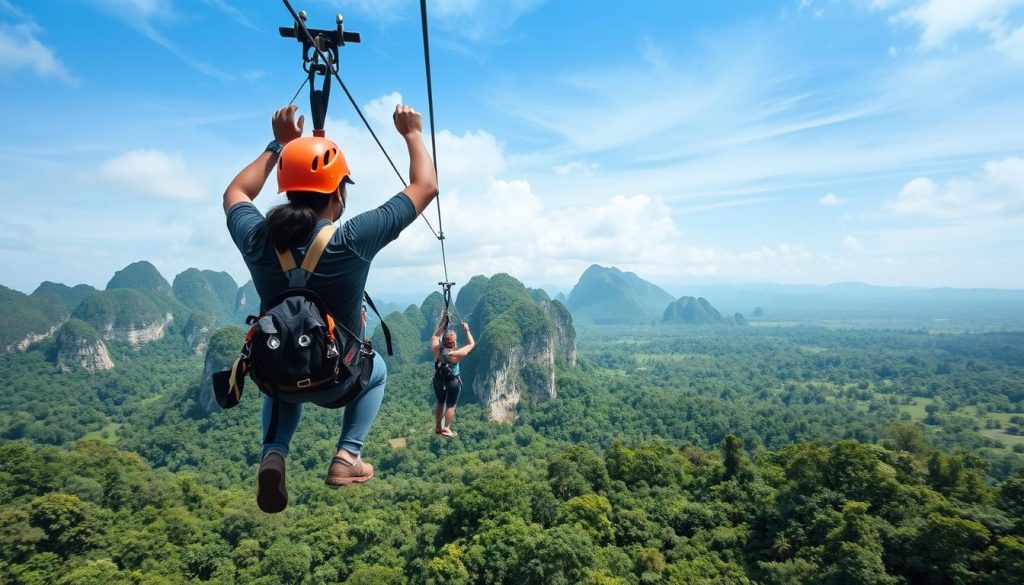
The pioneering Gibbon Experience in Bokeo Province continues to offer one of Southeast Asia’s most unique adventures in 2025. This conservation project combines thrilling ziplines—some stretching over a kilometer through pristine forest canopy—with overnight stays in spectacular treehouses and the chance to spot the rare black-cheeked gibbon. The project employs former hunters as guides and protects critical wildlife habitat, demonstrating how adventure tourism can directly support conservation.
Inspired by this success, additional canopy tours have emerged in other regions of Laos, offering accessible day adventures that combine environmental education with the thrill of soaring through the treetops. These experiences provide perspectives on forest ecosystems that would otherwise be impossible to access, creating memorable adventures with minimal environmental impact.
Book Your Laos Adventure
From trekking to remote villages to ziplining through the jungle canopy, find the perfect adventure for your Laos journey.
Practical Travel Tips for Laos in 2025
Visa Requirements

By 2025, Laos has streamlined its visa process, with most nationalities eligible for e-visas that can be obtained online before travel. This system has largely replaced the previous visa-on-arrival system, though that option remains available at major entry points for travelers from eligible countries. E-visas typically cost around $50 USD and are valid for 30 days, with extensions available through immigration offices in major cities.
| Visa Type | Duration | Cost (2025) | Processing Time |
| Tourist e-Visa | 30 days | $50 USD | 3-5 business days |
| Visa on Arrival | 30 days | $40-50 USD (varies by nationality) | Immediate (expect queues) |
| Tourist Visa Extension | Additional 30 days | $2 USD per day | 2-3 business days |
| Business Visa | 30-90 days | $70-150 USD | 5-7 business days |
Requirements for visa applications typically include a passport valid for at least six months beyond your planned departure date, a digital passport photo, and proof of onward travel. Always check the latest requirements through official channels or your country’s embassy, as regulations can change.
Getting Around Laos

Transportation in Laos has seen significant improvements by 2025, though travel times can still be longer than in neighboring countries due to mountainous terrain. The Laos-China Railway, completed in 2021, has transformed north-south travel, connecting Vientiane to the Chinese border with stops at key destinations including Luang Prabang and Vang Vieng. This modern rail service has reduced journey times dramatically—the Vientiane to Luang Prabang trip now takes just 2 hours instead of the previous 8-10 hour bus journey.
Transportation Options:
- Railway: Fast, comfortable option along the north-south corridor
- VIP Buses: Air-conditioned services between major destinations
- Minivans: Faster but more cramped than buses
- Domestic Flights: Time-saving for longer distances
- Slow Boats: Scenic river journeys on the Mekong
Travel Times (2025):
- Vientiane to Luang Prabang: 2hrs (train), 8hrs (bus)
- Luang Prabang to Vang Vieng: 1hr (train), 4hrs (bus)
- Vientiane to Pakse: 1hr (flight), 10hrs (bus)
- Huay Xai to Luang Prabang: 2 days (slow boat)
- Pakse to 4000 Islands: 3hrs (bus + boat)
For local transportation within cities and towns, options include tuk-tuks, songthaews (shared pickup trucks), and increasingly, ride-hailing apps in Vientiane and Luang Prabang. Bicycle and motorbike rentals provide flexibility for exploring at your own pace, though always check your travel insurance coverage before renting motorized vehicles.
Weather and When to Visit

Laos has a tropical monsoon climate with two distinct seasons: the dry season (November to April) and the green season (May to October). By 2025, changing climate patterns have slightly shifted these traditional seasons, but the general pattern remains consistent. Most travelers still prefer the dry season, particularly November to February when temperatures are cooler and rainfall minimal.
| Season | Months | Weather Conditions | Best For |
| Cool Dry Season | November-February | Pleasant temperatures (20-30°C), minimal rain, clear skies | All activities, comfortable sightseeing, outdoor adventures |
| Hot Dry Season | March-April | Very hot (30-40°C), hazy conditions from agricultural burning | Water-based activities, Lao New Year celebrations |
| Early Green Season | May-July | Hot with increasing rainfall, dramatic thunderstorms, lush landscapes | Photography, fewer crowds, waterfalls at peak flow |
| Peak Green Season | August-October | Frequent rain, high humidity, occasional flooding | Budget travel, lush scenery, authentic experiences |
The green season offers its own advantages: lush landscapes, fewer tourists, lower prices, and spectacular waterfalls at peak flow. By 2025, improved infrastructure has made green season travel more accessible, with better drainage in cities and more all-weather roads to popular destinations. If you don’t mind occasional afternoon downpours (which rarely last all day), this can be a rewarding time to experience Laos with a more authentic, less touristic atmosphere.
Money and Budgeting

The Lao kip (LAK) remains the official currency in 2025, though US dollars and Thai baht are still accepted at many tourist-oriented businesses. ATMs are widely available in cities and major tourist destinations, typically dispensing kip with maximum withdrawals around 2,000,000 LAK (approximately $200 USD). Credit cards are increasingly accepted at higher-end establishments, but cash remains king for most transactions, particularly in rural areas.
By 2025, mobile payment platforms have gained popularity in urban centers, with QR code payments available at many restaurants, hotels, and shops in Vientiane and Luang Prabang. These systems typically link to international credit cards or can be loaded with cash at service points, providing a convenient alternative to carrying large amounts of kip.
| Budget Level | Accommodation | Food | Activities | Daily Total (USD) |
| Backpacker | Dorm beds: $5-10 Basic guesthouses: $10-15 | Street food: $2-5 Local restaurants: $3-8 | Self-guided sightseeing Basic entrance fees: $2-5 | $20-30 |
| Mid-range | Boutique guesthouses: $30-60 Mid-range hotels: $50-80 | Casual restaurants: $8-15 Western meals: $10-20 | Guided day tours: $20-50 Cooking classes: $30-40 | $80-150 |
| Luxury | Luxury hotels: $100-250 Heritage properties: $200-400 | Fine dining: $30-60 Hotel restaurants: $25-50 | Private tours: $80-150 Premium experiences: $100+ | $200-500+ |
Travel with Peace of Mind
Protect your Laos adventure with comprehensive travel insurance covering medical emergencies, trip cancellations, and adventure activities.
Safety and Health in Laos

General Safety Considerations
Laos remains one of the safest countries in Southeast Asia for travelers in 2025, with violent crime against foreigners extremely rare. The greatest risks come from road accidents, water-related incidents, and outdoor adventure activities rather than personal security concerns. As in any destination, basic precautions like safeguarding valuables, avoiding unlit areas at night, and staying aware of your surroundings are sufficient in most situations.
Essential Safety Tips:
- Register with your country’s embassy or consular service before travel
- Purchase comprehensive travel insurance including medical evacuation coverage
- Keep digital and physical copies of important documents
- Follow local advice regarding off-limits areas, particularly in border regions
- Respect local customs and dress modestly, especially in rural communities
- Be cautious when swimming in rivers due to strong currents and hidden obstacles
Health Precautions
Healthcare facilities have improved in Laos by 2025, particularly in Vientiane and Luang Prabang, but still fall short of international standards in many areas. Serious medical issues typically require evacuation to Thailand, making comprehensive travel insurance essential. Basic precautions can prevent most common health issues, including waterborne illnesses and mosquito-transmitted diseases.
- Water Safety: Drink only bottled or purified water and avoid ice in rural areas. Consider traveling with a water purification system to reduce plastic waste.
- Food Safety: Enjoy street food from busy stalls with high turnover, and favor freshly cooked hot dishes over pre-prepared items sitting in the heat.
- Mosquito Protection: Use repellent containing DEET or picaridin, particularly at dawn and dusk. Consider treating clothing with permethrin for extended outdoor activities.
- Heat Management: Stay hydrated, use sun protection, and plan strenuous activities for cooler morning or evening hours, especially during the hot season.
- Vaccinations: Consult a travel health specialist before your trip for personalized advice. Hepatitis A, Typhoid, and routine vaccinations are typically recommended.
UXO Awareness

Laos has the unfortunate distinction of being the most heavily bombed country per capita in history, with millions of unexploded ordnance (UXO) items remaining from the Vietnam War era. By 2025, clearance efforts have made significant progress, but UXO continues to pose risks in certain regions, particularly in eastern and southern provinces along the former Ho Chi Minh Trail.
UXO Safety Guidelines:
- Stick to established paths and trails, particularly in rural areas
- Never pick up or touch unidentified metal objects
- Follow local guide advice when trekking in less-visited regions
- Support UXO education and clearance organizations during your visit
- Visit the UXO information centers in Vientiane or Luang Prabang to learn more
Tourist areas and established trekking routes are safe, with clearance prioritized for populated and frequently visited locations. The risk is primarily in remote, rural areas off the beaten path. By staying informed and following basic precautions, you can explore Laos safely while developing awareness of this important issue affecting local communities.
Common Scams and How to Avoid Them
While serious crime is rare, travelers occasionally encounter minor scams or overcharging in tourist areas. By 2025, increased tourism has brought more sophisticated schemes, though they remain less prevalent than in more developed tourist destinations. Awareness and a healthy skepticism can prevent most problems.
- Transportation Overcharging: Always agree on prices before getting into tuk-tuks or taxis, and know the approximate going rates. In 2025, ride-hailing apps in major cities provide more transparent pricing.
- Border Crossing Fees: Research legitimate visa and entry fees before arriving at land borders, where unofficial “processing fees” are sometimes requested.
- Gem and Jewelry Scams: Avoid “special deals” on gems or precious metals, which are almost always overpriced or fake.
- Currency Confusion: Familiarize yourself with Lao kip denominations, as the multiple zeros can be confusing. Count change carefully, especially when exchanging currency.
- Tour Misrepresentation: Book with reputable operators and read recent reviews. Some budget tours may not deliver the experiences or accommodations promised.
Why Laos Should Be Your Next Destination

As we’ve explored throughout this Laos travel guide 2025, this captivating country offers a rare combination of authentic cultural experiences, breathtaking natural beauty, and genuine hospitality that’s increasingly hard to find in today’s world of mass tourism. While neighboring countries struggle with overtourism and rapid development, Laos maintains its distinctive character and unhurried pace that invites travelers to slow down and truly connect with their surroundings.
From the spiritual tranquility of Luang Prabang’s temples to the adventure playgrounds of Vang Vieng’s karst landscapes, from the historic mysteries of the Plain of Jars to the languid island life of Si Phan Don, Laos rewards those who approach travel with curiosity and respect. The country’s commitment to sustainable tourism development ensures these experiences will remain authentic and accessible for years to come.
Perhaps most memorable of all are the connections made with local people, whose warmth and resilience leave lasting impressions on visitors. Despite a challenging history, Laotians welcome travelers with genuine smiles and a spirit of generosity that embodies the true meaning of hospitality.
As you plan your journey to Laos in 2025, embrace the country’s natural rhythm and “bor pen nyang” philosophy. The most rewarding experiences often come from unplanned moments—a conversation with monks at a local temple, joining a spontaneous celebration in a village, or simply watching daily life unfold along the Mekong at sunset. In a world that rarely slows down, Laos offers the precious gift of time and space to rediscover the joy of unhurried exploration.
Start Planning Your Laos Adventure Today
From boutique accommodations to unique experiences, let us help you create the perfect Laos itinerary for 2025.
Find Places to Stay
Discover Laos Experiences
Frequently Asked Questions About Laos Travel
Is Laos safe for tourists in 2025?
Yes, Laos remains one of the safest countries in Southeast Asia for tourists in 2025. Violent crime against foreigners is extremely rare, and most safety concerns relate to road safety, water activities, and outdoor adventures rather than personal security. The friendly, laid-back nature of Laotian people contributes to the country’s safe atmosphere for travelers.
How many days do I need to explore Laos?
For a satisfying introduction to Laos, allow at least 10-14 days to explore key destinations like Luang Prabang, Vang Vieng, and Vientiane. With 3 weeks, you can add southern regions like the Bolaven Plateau and 4000 Islands. Given Laos’ relaxed pace and sometimes challenging transportation, rushing through the country in less than a week means missing its true essence.
What’s the best time of year to visit Laos?
The most popular time to visit Laos is during the dry season from November to April, with November to February offering the most comfortable temperatures. However, the early green season (May-July) offers lush landscapes, fewer tourists, and lower prices. August to October sees the heaviest rainfall and occasional flooding, making travel more challenging in some regions.
Do I need a visa to visit Laos in 2025?
Most nationalities require a visa to enter Laos. By 2025, the e-visa system has become the preferred method for most travelers, allowing application online before arrival. Visa-on-arrival remains available at major entry points for eligible countries. Typically, tourist visas allow a 30-day stay and cost around USD, with extensions possible within the country.
Is Laos expensive to visit?
Laos remains one of the more affordable destinations in Southeast Asia in 2025. Budget travelers can manage on -40 per day, including basic accommodation, local food, and transportation. Mid-range travelers should budget -150 daily for better accommodations and activities, while luxury experiences start from 0 per day. Overall, Laos offers excellent value compared to many other destinations.
How do I get around within Laos?
Transportation options in Laos have improved significantly by 2025. The Laos-China Railway provides fast connections between Vientiane, Vang Vieng, and Luang Prabang. VIP buses connect major destinations, while domestic flights save time for longer journeys. Within cities, tuk-tuks, songthaews, and increasingly, ride-hailing apps provide convenient local transportation. For flexibility, motorbike and bicycle rentals are widely available in tourist areas.